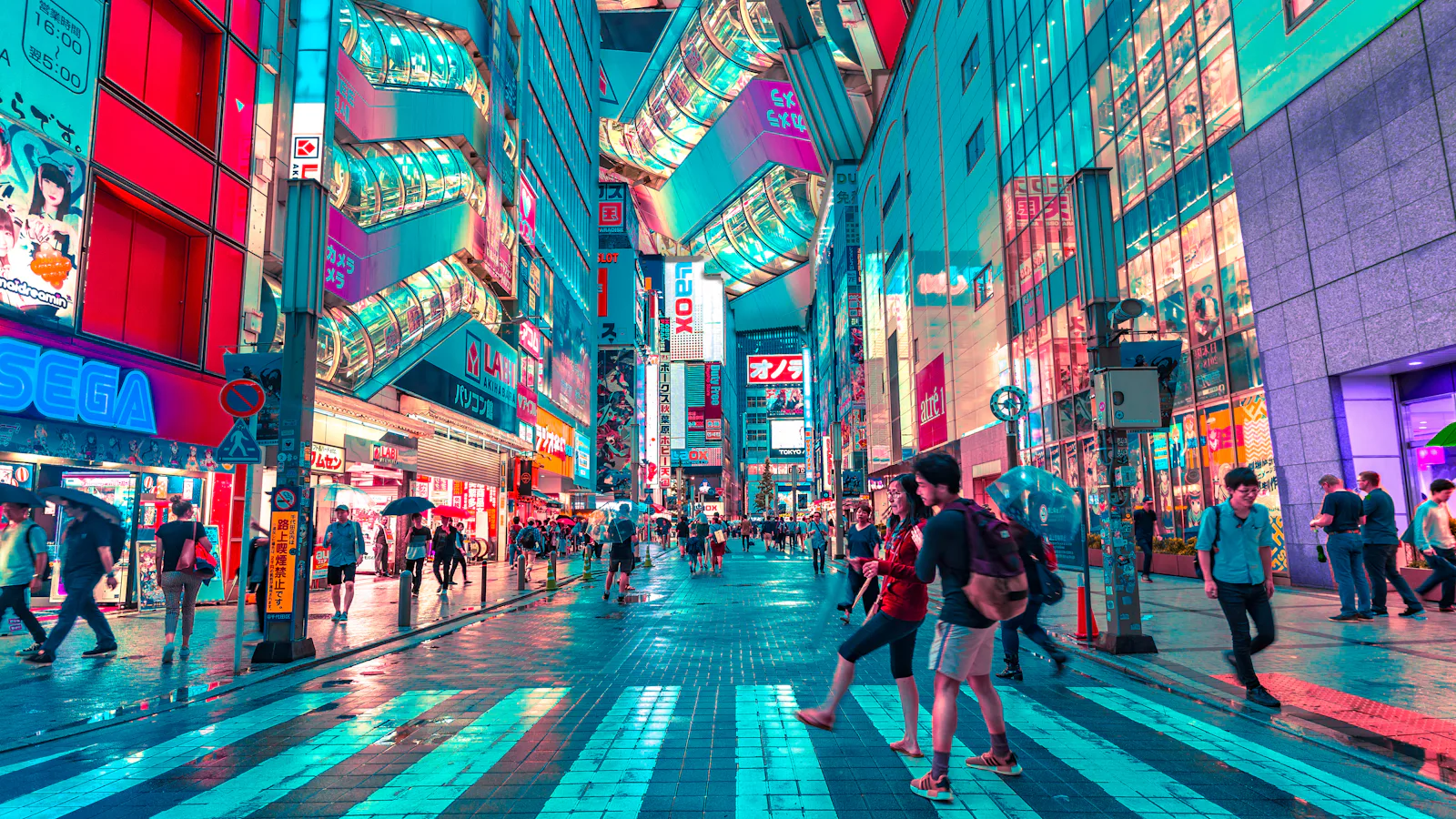
The sun dips below the horizon, and Tokyo transforms. The chaotic daytime bustle gives way to a mesmerizing symphony of neon lights, where towering skyscrapers pierce the night sky and ancient shrines glow with soft, warm illumination. While many travelers assume that experiencing the city’s vibrant nightlife requires a hefty wallet, this is a common misconception. Tokyo offers an incredible array of free night views and affordable culinary delights that allow you to immerse yourself in the city’s electric atmosphere without financial strain. From sweeping panoramic vistas to hidden alleyways filled with delicious, low-cost food, the city after dark is accessible to everyone.
Unlocking the Skyline: Free Observation Decks
One of the most iconic ways to experience Tokyo at night is from above. Many assume that observation decks come with steep entry fees, but the Tokyo Metropolitan Government Building offers a stunning exception. Located in Shinjuku, this twin-towered complex features free observation decks on the 45th floor of both the East and West towers. These decks provide unobstructed views of the city’s sprawling urban landscape, including a direct line of sight to Mount Fuji on clear evenings. The contrast between the modern glass facades and the distant, snow-capped mountain creates a photographic opportunity that rivals any paid attraction.
Visitors should arrive well before closing time to avoid the largest crowds, as these decks are incredibly popular among both tourists and locals. The East Tower deck is slightly less crowded and offers a different angle of the city, making it a worthwhile alternative if the West Tower line is long. The lighting here is designed to highlight the city’s grid-like structure, allowing you to trace the flow of traffic and the pulse of the metropolis below. It is a serene vantage point that offers a moment of calm amidst the urban chaos.
Another excellent option for free night views is the rooftop of the Tokyo City View area, although the main observatory is paid, the surrounding plaza and nearby free spots in Roppongi Hills offer glimpses of the city’s artistic and modern side. However, for the best balance of accessibility and view, the Metropolitan Government Building remains the gold standard for budget-conscious travelers. It serves as a perfect starting point for your evening, allowing you to orient yourself before diving into the streets below.
Immersing in Neon: Shibuya and Shinjuku
After taking in the views, the next step is to descend into the heart of Tokyo’s nightlife. Shibuya is synonymous with energy, and the famous Shibuya Crossing is a must-see spectacle at night. As the lights change, hundreds of pedestrians flood the intersection from all directions, creating a mesmerizing human current. Watching this from the free vantage points on the second floor of the Tsutaya building or the Starbucks overlooking the scramble provides a unique perspective. The neon signs of major brands and local shops reflect off the wet pavement, creating a cyberpunk aesthetic that defines Tokyo’s modern identity.
Just a short walk away, the Hachiko Statue serves as a central meeting point and a beacon of light in the bustling plaza. The area surrounding Shibuya Station is dense with shops and restaurants, but it is also filled with free street performances and pop-up events. Exploring the side streets reveals smaller, independent shops and art installations that add depth to the commercial spectacle. The energy here is infectious, and simply walking through the crowd allows you to feel the rhythm of the city.
Shinjuku, meanwhile, offers a different kind of nightlife experience. The Kabukicho district is known for its flashy signs and entertainment venues, but it also has quieter pockets worth exploring. The Golden Gai area, with its tiny bars and narrow alleys, is famous for its intimate atmosphere. While drinking may cost money, simply wandering through these illuminated lanes is a free and captivating experience. The architecture here is a mix of old and new, with traditional wooden structures standing alongside modern neon signage. It is a place where history and modernity collide, creating a unique visual tapestry.
Street Food Secrets: Eating Cheap and Delicious
Tokyo’s culinary scene is world-renowned, but it does not have to be expensive. One of the best ways to experience local food on a budget is by exploring street food stalls and convenience stores. Yakitori, or grilled chicken skewers, is a staple of Japanese nightlife and can be found at countless small stalls, known as yakitori-ya, throughout the city. These stalls often offer skewers at very reasonable prices, allowing you to sample a variety of flavors without committing to a full meal. The smoky aroma and the sizzle of the grill create an inviting atmosphere that draws in both locals and tourists.
Convenience stores, or konbini, are another hidden gem for budget travelers. Chains like 7-Eleven, FamilyMart, and Lawson offer a wide range of high-quality, affordable food options. From onigiri (rice balls) to bento boxes, the selection is vast and often surprisingly delicious. Many konbini also offer hot food items like fried chicken and curry rice, which are perfect for a late-night snack. The cleanliness and efficiency of these stores make them a reliable option for quick, inexpensive meals.
For a more traditional experience, consider visiting a standing sushi bar or a ramen shop with a low price point. Many ramen shops offer basic bowls for a fraction of the cost of high-end establishments. The key is to look for places with long lines of locals, as this is often a sign of good value and quality. Avoiding tourist-heavy areas for your meals can also help keep costs down. By mixing street food, convenience store snacks, and affordable local eateries, you can enjoy Tokyo’s diverse culinary scene without breaking the bank.
Practical Tips for a Budget-Friendly Night
To make the most of your Tokyo night on a budget, it is essential to plan ahead and be mindful of logistics. Transportation costs can add up quickly if you are not careful, so utilizing public transport wisely is key. Walking is often the best way to explore dense areas like Shibuya and Shinjuku, as it allows you to discover hidden gems and save on fare. However, for longer distances, the subway system is efficient and relatively affordable.
- Use a prepaid IC card like Suica or Pasmo for seamless travel on trains and buses, and to pay at convenience stores.
- Visit free observation decks early in the evening to avoid peak crowds and ensure the best photo opportunities.
- Stick to convenience stores and street stalls for late-night snacks to keep food costs under control.
- Avoid licensed entertainment districts like Kabukicho’s main streets late at night to prevent unwanted solicitation.
Another important consideration is safety. Tokyo is generally very safe, but it is always wise to stay aware of your surroundings, especially in crowded areas. Pickpocketing is rare, but it is still good practice to keep your valuables secure. Additionally, be cautious of overly friendly strangers in nightlife areas, as they may be trying to lure you into expensive bars or clubs. By staying alert and sticking to well-lit, populated areas, you can enjoy a safe and memorable night out.
Cultural Nuances: Respect and Etiquette
Understanding local etiquette can enhance your experience and help you avoid awkward situations. In Japan, noise levels in public spaces are generally lower than in many Western countries. While nightlife areas are lively, it is considered polite to keep your voice down on trains and in residential areas. This respect for others’ comfort is a key aspect of Japanese culture and contributes to the overall harmony of the city.
When visiting free attractions like temples or shrines, it is important to dress modestly and behave respectfully. Many shrines are open late during certain festivals, offering a unique glimpse into traditional Japanese spirituality. Removing shoes when required and following posted guidelines shows respect for local customs. Additionally, tipping is not practiced in Japan, so do not feel pressured to leave extra money for service. The price listed is the price you pay, and good service is expected as part of the standard.
Language barriers can sometimes be a challenge, but most signs in tourist areas are in English, and many young people speak some English. Learning a few basic Japanese phrases, such as "arigatou" (thank you) and "sumimasen" (excuse me), can go a long way in building rapport with locals. It shows effort and respect, and often leads to warmer interactions. Embracing these cultural nuances will make your Tokyo experience more authentic and enjoyable.
Frequently Asked Questions
Is it safe to walk around Tokyo at night?
Yes, Tokyo is widely regarded as one of the safest cities in the world. Violent crime is extremely rare, and most people feel comfortable walking alone at night. However, as with any major city, it is wise to stay aware of your surroundings, avoid poorly lit alleys, and keep your valuables secure. The police presence is visible, and emergency services are efficient.
What is the best time to visit free observation decks?
The best time to visit free observation decks like the Tokyo Metropolitan Government Building is shortly after sunset. This allows you to see the transition from day to night, capturing both the city lights and the fading natural light. Arriving 30 minutes before closing can help you avoid the largest crowds, although peak hours around sunset will still be busy.
Are convenience store foods in Tokyo safe and good?
Absolutely. Convenience stores in Japan are known for their high-quality, fresh food. Items like onigiri, bento boxes, and fried chicken are popular among locals and are considered safe and delicious. The turnover of inventory is high, ensuring that products are fresh. Many travelers consider konbini food a highlight of their trip.
Conclusion
Tokyo after dark is a vibrant, accessible, and unforgettable experience, even on a tight budget. By leveraging free observation decks, exploring neon-lit districts, and enjoying affordable street food and convenience store meals, you can immerse yourself in the city’s unique culture without overspending. The key is to plan ahead, respect local customs, and stay open to discovery. Your final actionable tip is to download offline maps and a translation app before you go, ensuring you can navigate the city’s intricate streets and menus with confidence, turning every night into an adventure.