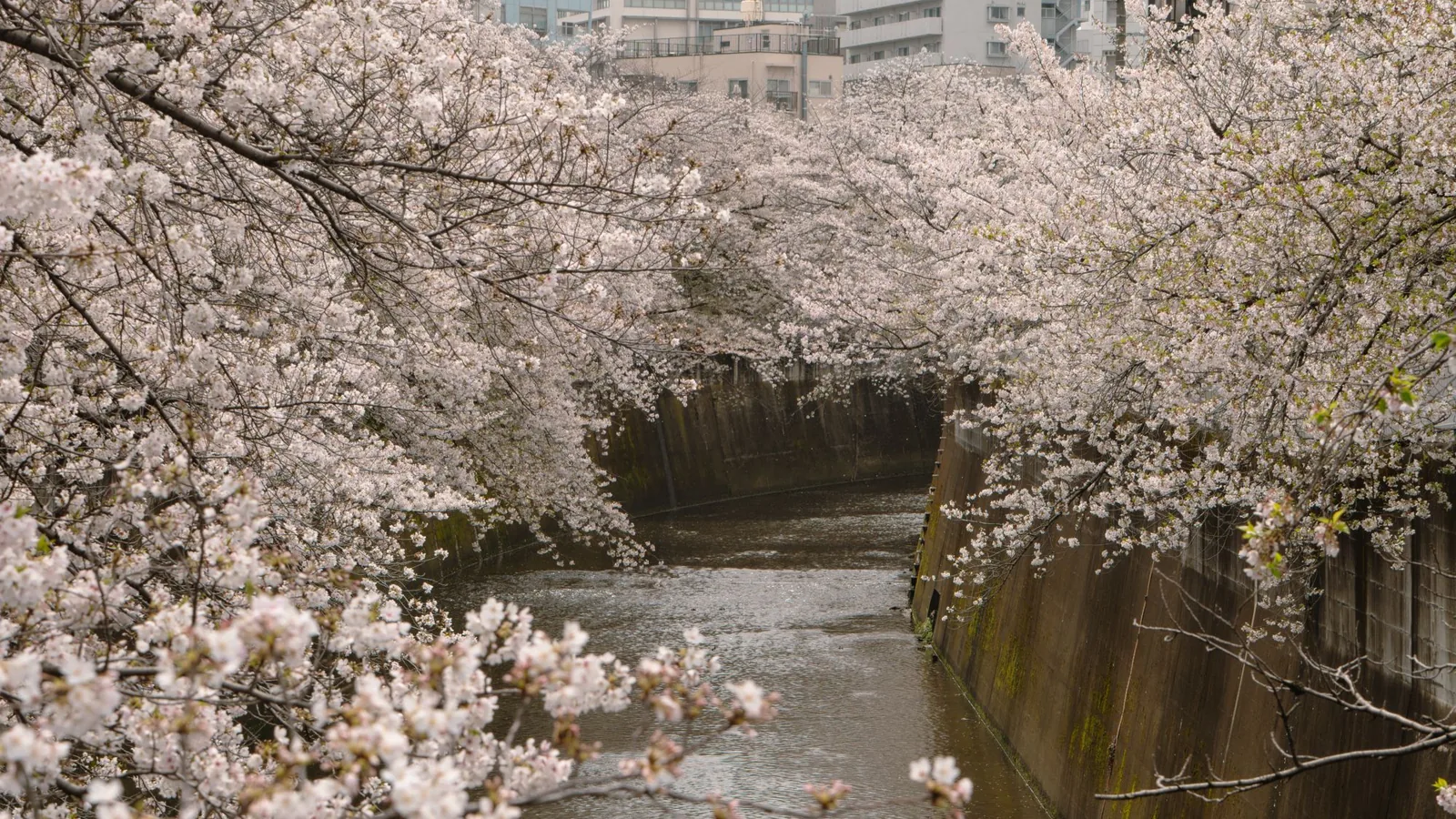
Tokyo does not wait for anyone, yet its rhythm is dictated entirely by the turning of the seasons. One month, the city is a canvas of bright pink petals drifting over ancient temples; the next, it is a blaze of fiery crimson leaves reflecting in quiet garden ponds. By winter, the same streets that bustled with summer festival crowds transform into glittering wonderlands of light. For the traveler planning a trip in 2026, understanding these shifts is not just about packing the right coat. It is about aligning your itinerary with the city’s natural and cultural heartbeat. Whether you seek the serene beauty of cherry blossoms or the electric energy of summer fireworks, timing your visit correctly can mean the difference between a crowded struggle and a magical experience. This guide breaks down exactly when to go, what to see, and how to navigate Tokyo’s distinct seasonal offerings.
The Spring Spectacle: Cherry Blossoms and Hanami Culture
Late March to early April is universally regarded as the premier time for outdoor enthusiasts to visit Tokyo. During this window, the city’s parks explode in a riot of pink and white as cherry blossoms, or sakura, reach their peak bloom. This phenomenon is not merely decorative; it is a deeply ingrained cultural ritual known as hanami. Locals and tourists alike gather under the trees for picnics, sharing food and drink while celebrating the fleeting beauty of nature. For visitors in 2026, this period offers an unparalleled visual experience, but it also comes with significant crowds. Popular spots like Ueno Park and Yoyogi Park become hubs of activity, where every available patch of grass is claimed by groups enjoying the spring air.
To truly experience the essence of spring in Tokyo, one must look beyond the most famous landmarks. While Ueno is iconic, the Meguro River offers a more serene alternative. Here, you can take a leisurely stroll along the banks, watching the blossoms create a pink canopy overhead. The atmosphere is quieter, allowing for a more reflective appreciation of the scenery. If you prefer a picnic setting, Yoyogi Park provides ample space and a lively social atmosphere. However, patience is required. Arriving early in the morning or later in the evening helps avoid the peak congestion. The key to enjoying hanami is not just seeing the flowers, but participating in the communal spirit that defines this season. It is a time when the entire city seems to pause and breathe in the beauty of the moment. For a closer look at where the blossoms meet Tokyo's after-dark glow, see our guide to the 2026 sakura illuminations.
Summer Energy: Fireworks, Festivals, and Humidity
As spring fades, Tokyo transitions into a season of intense energy and sticky humidity. Summer in Tokyo is defined by its festivals, or matsuri, which light up the night sky and streets. Among the most spectacular is the Sumida River Fireworks Festival, a centuries-old tradition that draws hundreds of thousands of spectators. The sky above the river erupts in a dazzling display of color, reflecting off the water and illuminating the skyline. This event is a quintessential Tokyo experience, blending tradition with modern spectacle. However, summer also brings challenging weather conditions. High humidity and occasional rain can make daytime exploration exhausting. Travelers must prepare for heat, staying hydrated and planning indoor activities during the hottest parts of the day.
Despite the heat, summer offers unique culinary and cultural opportunities. Street food stalls at festivals provide delicious treats like yakisoba and cotton candy, adding to the festive atmosphere. The energy is palpable, with locals dressed in yukata (traditional cotton kimonos) enjoying the evening breeze. For those who can tolerate the humidity, the summer months offer a dynamic side of Tokyo that is often missed by winter visitors. The city feels alive, pulsating with music, dance, and light. It is a time for immersion, where the boundaries between tourist and local blur in the shared excitement of the celebration. Planning ahead for festival dates matters, as viewing spots fill up quickly.
- Book viewing spots for the Sumida River Fireworks weeks in advance, as prime locations along the riverbank are reserved early.
- Visit summer festivals in the evening to escape the peak daytime heat and enjoy the illuminated atmosphere.
- Carry portable fans and cooling towels, as humidity levels can exceed 80% during July and August.
- Check local weather forecasts for typhoon warnings, as late summer can bring sudden heavy rains that disrupt outdoor plans.
Autumn Colors: A Serene Counterpoint to Spring
If spring is Tokyo’s exuberant debut, autumn is its sophisticated finale. November is unbeatable for sightseeing, offering a stunning palette of fiery reds, oranges, and golds. Unlike the crowded cherry blossom season, autumn foliage draws a slightly more relaxed crowd, allowing for a more contemplative experience. Rikugien Garden is a standout destination during this time. The garden’s traditional Japanese landscape, with its ponds and tea houses, provides a perfect backdrop for the changing leaves. The reflection of the fiery colors in the water creates a mirror-like effect that is both calming and visually striking. This season is ideal for photographers and nature lovers who appreciate subtle beauty over explosive displays.
Beyond the gardens, Tokyo’s urban landscape also transforms. Streets lined with ginkgo trees turn a brilliant yellow, creating golden avenues that are perfect for a leisurely walk. The weather in November is generally mild and crisp, making it comfortable for extended outdoor exploration. Unlike the humidity of summer or the chill of winter, autumn offers a balanced climate that encourages walking and cycling. Visitors can explore neighborhoods like Shinjuku Gyoen or the imperial palace moats, where the contrast between modern skyscrapers and natural beauty is most evident. It is a time when the city feels both historic and contemporary, offering a rich mix of visual experiences.
Winter Wonders: Lights, Sales, and Budget Travel
January and February are the best times to visit Tokyo for travelers on a budget. As the holiday rush subsides, flights and hotel prices drop significantly, making it an affordable option for international visitors. The city is less crowded, allowing for a more relaxed pace of exploration. While the weather is chilly, winter days are often sunny and clear, providing excellent visibility for sightseeing. The lack of humidity makes the cold feel manageable, especially with proper layering. Winter is also the season of major sales in Tokyo’s department stores. Post-holiday bargains offer opportunities to purchase high-quality goods, from electronics to fashion, at discounted prices. This combination of lower costs and fewer crowds makes winter an attractive option for practical travelers.
One of the highlights of winter in Tokyo is the illumination displays that transform the city into a sparkling wonderland. Areas like Omotesando and Yoyogi Park become venues for elaborate light installations, drawing crowds who wander through the glowing streets. These illuminations are not just decorative; they are cultural events that celebrate the season with artistic flair. Yomiuri Land also features spectacular light shows, adding to the festive atmosphere. The contrast between the cold air and the warm glow of the lights creates a magical ambiance. It is a time when Tokyo reveals its romantic side, offering a serene and beautiful experience that contrasts with the bustle of other seasons. Visitors should plan to walk through these illuminated areas in the evening to fully appreciate the spectacle.
Frequently Asked Questions
When is the peak bloom for cherry blossoms in 2026?
While exact dates vary each year based on weather conditions, the peak bloom for cherry blossoms in Tokyo typically occurs between late March and early April. In 2026, travelers should monitor the Japan Meteorological Agency forecasts closely, as a warm winter can cause earlier blooming. Ueno Park and the Meguro River are reliable indicators of peak status. Arriving a few days before the predicted peak ensures you catch the blossoms at their most beautiful, even if they are not at 100% full bloom.
Is summer too hot to visit Tokyo?
Summer in Tokyo can be extremely humid and hot, with temperatures often exceeding 30°C (86°F). However, it is not too hot to visit if you plan around it. Focus on indoor activities during the midday heat and save outdoor exploration for the early morning or evening. The summer festivals and fireworks are unique experiences that many find worth the discomfort. Staying hydrated and using cooling products can make the season manageable and enjoyable.
What are the best neighborhoods for winter illuminations?
Omotesando and Yoyogi Park are renowned for their spectacular winter illuminations. These areas feature elaborate light displays that transform the streets into magical settings. The Marunouchi area near Tokyo Station also offers elegant light installations that complement the modern architecture. Yomiuriland is another excellent option for a more family-friendly light show experience. These locations are best visited after sunset to fully appreciate the visual impact.
Final Tips for Your 2026 Tokyo Trip
Choosing the right time to visit Tokyo depends largely on your personal priorities. If you crave natural beauty and cultural immersion, spring and autumn offer the most iconic experiences. If you seek affordability and fewer crowds, winter is the ideal choice. Summer provides energy and festival excitement for those who can handle the heat. Regardless of the season, preparation is key. Book accommodations and popular restaurant reservations in advance, especially during peak seasons like cherry blossom week. Finally, for getting around, a rechargeable Suica or Pasmo IC card covers Tokyo's trains and buses seamlessly; weigh a JR Pass only if your itinerary includes longer intercity trips, as it is far less cost-effective for a city-only stay since its 2023 price rise. One specific actionable tip for 2026: confirm exact festival dates on official Japan travel and event sites before you book, as some traditional matsuri shift by a week or two from year to year. This small step can ensure you do not miss out on the most authentic cultural experiences Tokyo has to offer.