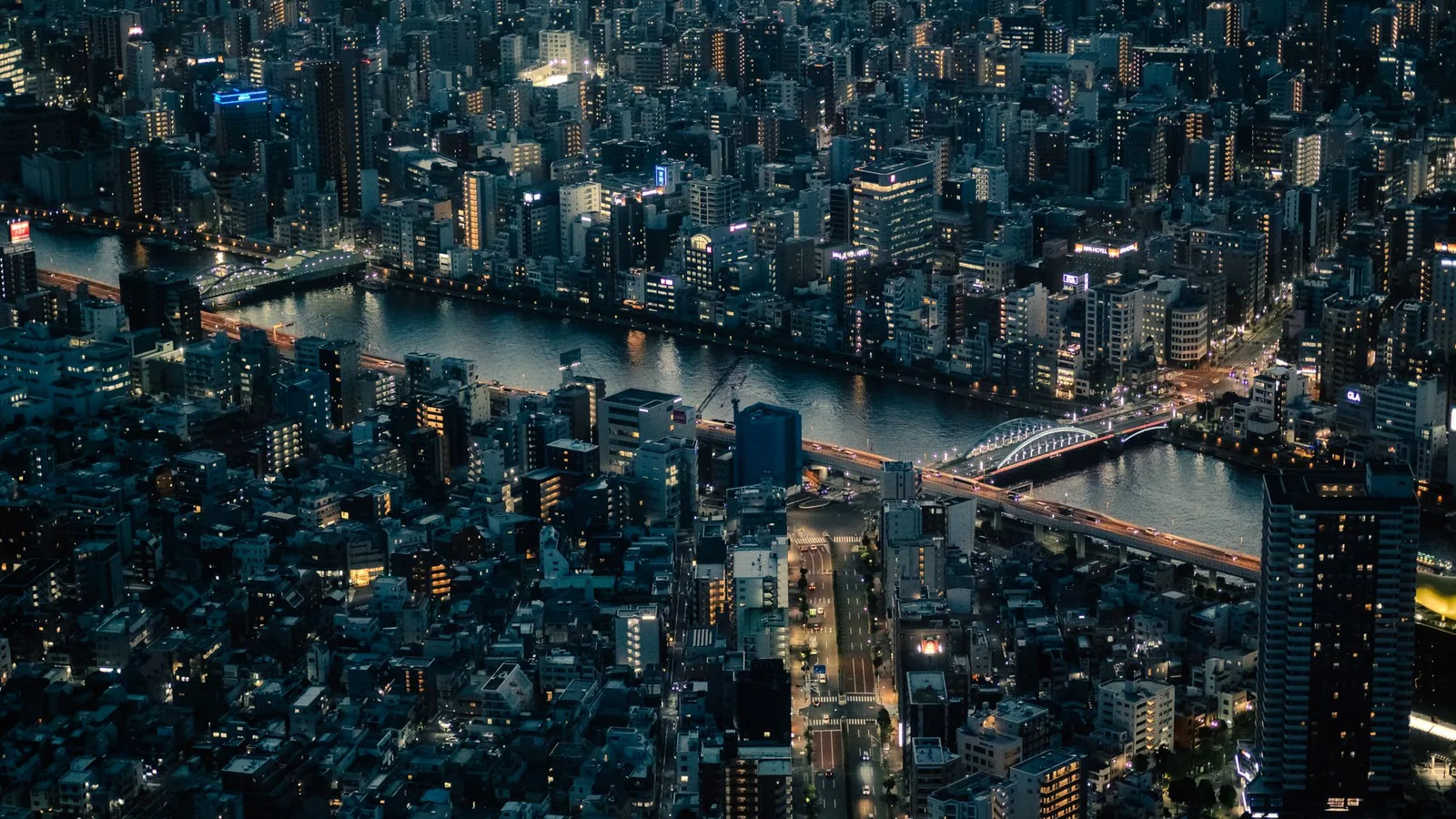
Of all Tokyo's observation decks, Shibuya Sky is the one people rave about — and it earns the hype for one reason: the rooftop is open to the sky. Instead of pressing your phone against tinted glass, you stand in the open air at roughly 229 metres, with the whole city spread out and the famous Scramble Crossing pulsing directly below. This guide covers how to buy tickets, when to go, what to expect at the top, and whether it is worth your yen.
What is Shibuya Sky?
Shibuya Sky is the observation facility atop Shibuya Scramble Square, the tall tower directly connected to Shibuya Station that opened in November 2019. The roof sits at 229 metres, which is not the highest vantage point in Tokyo and does not need to be — the appeal is that you are standing outdoors on it. The visit is built in three stages: an ascent gallery, an indoor level (SKY GALLERY) with a cafe and windows, and the star of the show — SKY STAGE, the open-air rooftop deck. On a clear day you can pick out Tokyo Tower, the Tokyo Skytree, the Shinjuku high-rises and, in the right season, Mount Fuji on the western horizon.
Tickets and how to book
Entry is by timed slot, and the single most useful tip is to book online in advance. Advance web tickets cost about ¥2,500 against ¥3,000 at the door, and more to the point they lock in your time.
Sunset slots carry a premium of roughly ¥700 on top of the daytime price. They are also the first to vanish, sometimes weeks out, so the saving and the availability point the same way: book early.
Tickets are released about two weeks ahead, with new dates opening at midnight Japan time. If your trip is fixed and the sunset slot matters, setting an alarm for that release is not an unreasonable thing to do.
Opening hours run 10:00 to 22:30, with last entry at 21:20. Note that your stamped slot is a 20-minute entry window, not a time limit on the visit — arrive inside it and you can stay as long as you like once you are up.
Build in a buffer regardless. Between finding the 14th-floor entrance inside Scramble Square, scanning the ticket, the transition lift and the lockers, the gap between your slot opening and standing on the roof is a good fifteen minutes.
The best time to go
Sunset and the golden hour just after are the prize, when the sky turns and the city lights flick on one district at a time. It is also the busiest window, so book ahead.
The slot to want starts about 60 to 90 minutes before sunset. That buys you the city in daylight, then the colour, then the lights coming on — three different views for one ticket, which is why that slot sells out first.
Sunset moves by nearly three hours across the year in Tokyo, so book against the date rather than a remembered time. The golden hour block on this page recalculates for today, and our best time to visit Tokyo guide covers how the seasons shift it.
If you prefer elbow room, a weekday morning or early afternoon is far quieter and best for spotting Mount Fuji, which shows most reliably on crisp, clear days — winter mornings are ideal. For pure neon spectacle, a full-dark night slot delivers the glittering skyline without the sunset crowds, and the last entry at 21:20 makes it an easy thing to add after dinner.
What to expect at the top
The rooftop is genuinely open-air, so it runs on the weather: SKY STAGE can close during rain or strong wind, in which case you view from the indoor level instead. If the closure is severe you can usually claim a refund rather than lose the ticket entirely — worth asking at the desk rather than assuming.
For safety in the wind, loose items are not allowed on the rooftop. Phones are tethered with a supplied strap and everything else goes into free lockers, so bring a wrist-strap habit and pack light. Cameras with neck straps are fine; bags, tripods and anything that can blow off a 229-metre roof are not.
The corner everyone queues for is Sky Edge, the glass-fronted point looking straight down the Shibuya scramble. The queue for it is where most people watch the sunset happen, which is a reasonable trade if the photo matters and a poor one if it doesn't — the perimeter walk has the same light and no line.
The reclining hammock-style loungers are the other thing worth finding, and the reason to arrive early in your window rather than late. Lying flat with nothing but sky above you is the part of this place that no other Tokyo deck offers.
Is it worth it?
Yes — with one caveat. If you only visit one paid viewpoint in Tokyo, the open-air rooftop makes Shibuya Sky the most memorable, especially at sunset and especially for photos, since there is no glass between your lens and the skyline.
The caveat is weather. On a grey, rainy evening you lose the rooftop and most of the reason you came, so keep the slot flexible and aim for a clear forecast rather than a convenient date.
Against the alternatives it holds up on one axis and loses on others. Tokyo Skytree is far higher and sees further; Tokyo Tower is the more photogenic subject rather than the better viewpoint; the free observatories at the Metropolitan Government Building cost nothing at all. None of them let you stand outside with the wind on your face at 229 metres, which is the whole argument for this one.
Put in money terms, the question is whether an open rooftop is worth about ¥2,500 — ¥3,200 if you want a sunset slot — when a covered view over the same city is free at the Metropolitan Government Building. On a clear evening most people say yes and few come down regretting it. On a forecast of low cloud the honest answer is no: take the free deck, keep the yen, and come back when the sky is doing something worth photographing.
Prefer a drink with your view and no ticket queue? Compare it with our roundup of Tokyo's best rooftop bars, and if your evening runs long, check the last train guide before you head up. Coming back down at closing time drops you into the middle of Shibuya after dark, which deserves an hour of its own rather than a straight walk to the station.
Frequently Asked Questions
How much are Shibuya Sky tickets?
About ¥2,500 booked online in advance, or ¥3,000 bought on the day at the door. Sunset slots add roughly ¥700. Prices change periodically, so check the official website for the current rate before booking.
What time does Shibuya Sky close?
The deck runs from 10:00 to 22:30, with last entry at 21:20. Your ticket slot is a 20-minute entry window rather than a limit on how long you can stay once inside.
How far in advance should I book Shibuya Sky?
Tickets are released about two weeks ahead, with new dates opening at midnight Japan time. Daytime slots are usually available a few days out; sunset slots often go within hours of release in peak season.
What is the best time to visit Shibuya Sky?
Sunset is the most popular and most beautiful, but also the busiest — book that slot well ahead. For fewer crowds and the best chance of seeing Mount Fuji, choose a clear weekday morning.
Is the Shibuya Sky rooftop open in the rain?
Not always. The open-air rooftop (SKY STAGE) can close during rain or strong wind for safety, and you view from the indoor level instead. Aim for a clear forecast to guarantee the full rooftop experience.