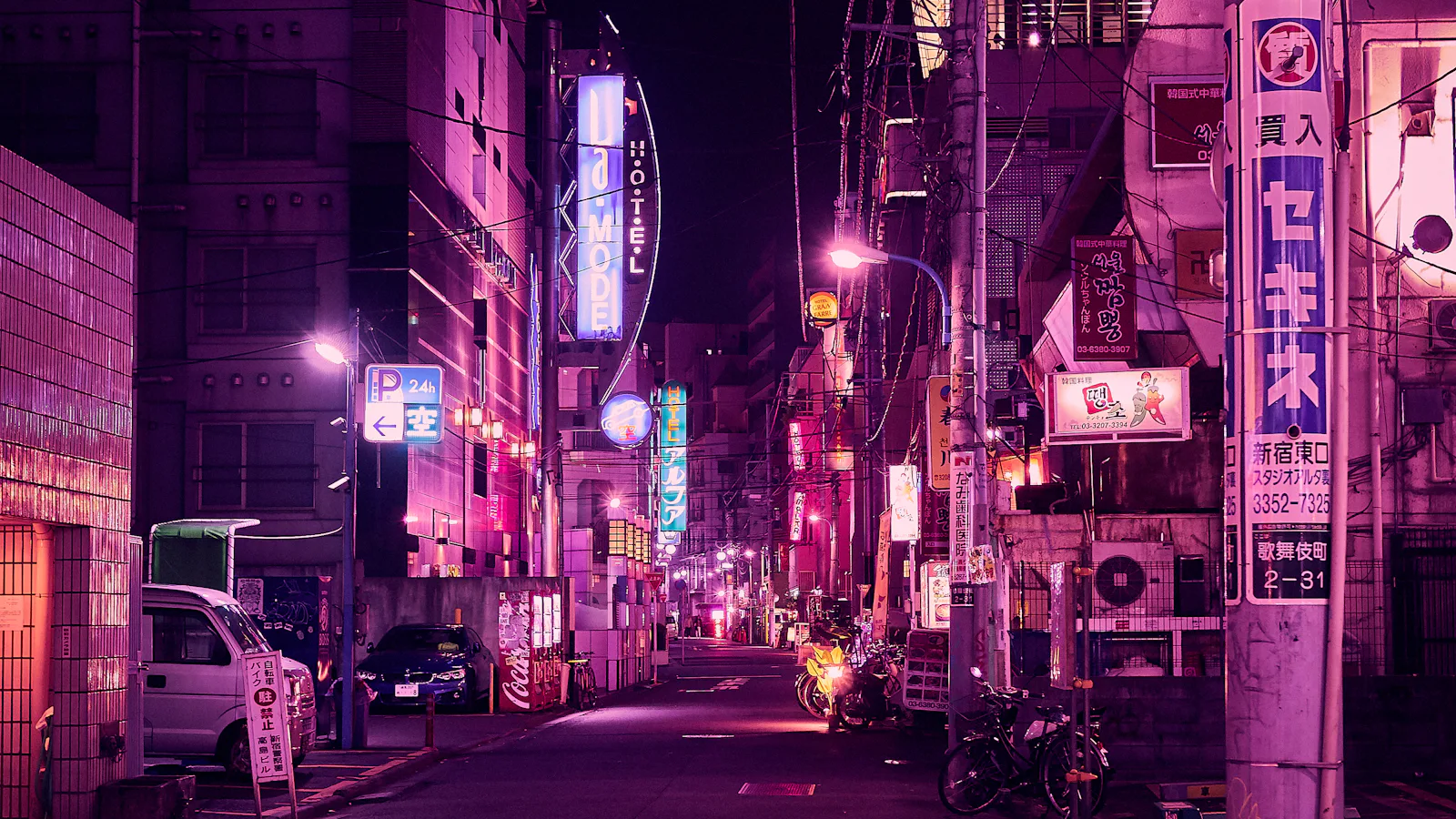
The neon of Shinjuku fades to a quiet hum as the final rush of commuters clears the platform, and the display flashes a stark message: the last train has departed. For visitors, this moment can trigger real panic. Tokyo is vast, the distances between nightlife districts and residential hotels are long, and the late-night silence feels isolating. Being stranded here, though, is rarely dangerous. With a working grasp of how the transit system winds down, the right apps, and a couple of backup plans, you can turn a would-be crisis into a minor hassle. This guide covers when Tokyo's lines actually stop — how Metro, Toei and JR each wind down, and how to check the final departure on your own route before the evening gets away from you. If your night runs late over a bowl of 4am ramen in Shinjuku, this is the plan to have ready.
Understanding Tokyo's Nighttime Transit Landscape
Tokyo's public transport is a marvel of efficiency, but it runs on a strict clock. The subway and train system — 13 subway lines plus numerous JR lines — is the backbone of daily life. Nine of the subway lines are run by Tokyo Metro and the remaining four by Toei Subway. These are distinct operators: they interconnect, but they do not always share identical hours or ticketing. Knowing that division matters when you plan a late trip home.
The Japan Railways (JR) network is just as vital, especially near major hubs like Shinjuku, Shibuya, Tokyo Station and Akihabara. The Yamanote Line, the loop connecting these districts, is the most famous JR line in the city — a lifeline for locals and visitors alike. But like the subway, the Yamanote and other JR services such as the Keihin-Tohoku and Saikyo lines have firm end times. They do not run 24 hours, a fact that surprises first-timers used to London or New York.
"Last train" does not mean a single departure. Trains run frequently in the evening, often every three to five minutes. Once the final scheduled service leaves, though, the tracks go dark, and you go from passenger to pedestrian in a city that has largely gone to sleep. Knowing whether you need a Tokyo Metro, Toei or JR service tells you exactly which schedule to check — a good moment to look up your line on the official Tokyo Metro or JR East site.
The practical shape of it is this. The central loops and the subway trunk lines are the last to go, somewhere either side of midnight. The branch and suburban services that carry people out to the far wards and into Chiba, Saitama and Kanagawa give up appreciably earlier, and they are the ones most visitors are actually riding home. So the useful question is never "when does Tokyo stop" but "when does my last leg stop" — and the answer is usually set by the smallest, furthest line in the chain rather than the big one you board first. Work that leg out before you go out, and the rest of the evening plans itself around it.
The Importance of Digital Navigation Tools
In a city this complex, relying on memory or a paper map is asking for trouble when the clock is running down. The most effective way to manage the evening commute is a dedicated transit app. Japan Travel by Navitime is invaluable for fast routes, transfer times and platform numbers, and it shows real-time frequencies, delays and — most importantly — last-train departure times.
Pay close attention to the "last train" feature: set your destination and location, and the app calculates the latest you can leave to reach your hotel before the final train. That is a lifesaver if you lose track of time in a lively izakaya or a karaoke box. Checking proactively spares you a frantic sprint through the station in the last minutes. These apps also flag alternative routes when your primary line is near its end of service, sometimes via a different operator or transfer point.
Beyond routing, these apps estimate transfers, which in Tokyo can be long. Changing between Tokyo Metro and Toei, or between subway and JR, may mean walking through several concourses or leaving one station for another. The app times those walks accurately so you do not miss a connection. For the nightly run home, treat it as your co-pilot through the labyrinthine stations. If your evening includes the view from Shibuya Sky, check your last train before you head up, not after.
Strategic Planning and Ticketing Essentials
Preparation is the best defence against missing the last train. Before you head out, know your route: identify the line that serves your hotel and check its last departure from the station nearest your nightlife district. If you are staying in the suburbs, your train may terminate earlier than the central lines — a common trap for visitors who assume the whole network shuts at once. In reality, suburban lines often stop an hour or more before the core city lines.
Ticketing is another place where preparation pays. Buying single tickets at machines can be slow and confusing. The efficient answer is an IC card such as Suica or Pasmo: tap in and out across subways, JR and buses without queuing. Make sure it is topped up before you leave the hotel, since top-up machines can be closed late at night, leaving you stuck at the gate.
On JR lines, if your hotel sits on a JR station, learn the Yamanote loop. Because it is a circle, you can sometimes ride the opposite direction to reach a transfer point that is still running. If your direct route is ending, check whether the reverse Yamanote direction gets you to a subway line that runs later. That kind of lateral thinking is often what gets you home when the obvious path has closed — so fix a backup in mind before the night gets going. First-timers exploring Golden Gai should sort this out early.
Practical Tips for Nighttime Travel
Getting home after dark asks for a slightly different approach than daytime travel: the crowds thin, and the stakes feel higher. A few practical habits save time and stress.
- Check the last-train schedule at your departure station, not just your arrival station — final trains do not run on every line at the same time.
- Use a Suica or Pasmo IC card to bypass ticket machines and speed through late-night gates.
- Allow extra time for transfers between Tokyo Metro, Toei and JR, since underground walkways can be long and confusing at night.
- Keep your phone charged and download offline maps, as signal can drop in deep underground stations.
Another useful tip is to know the bus network. Trains are primary, but buses can cover the "last mile", and some routes run later than trains where a station sits a short way from the hotel. Buses are slower and traffic-dependent, so treat them as a backup, and keep cash or an IC card ready since not all accept cards. Bus and train schedules are not always aligned, so check the timetable separately.
Finally, keep your bearings. Tokyo is generally safe, but it is easy to get lost in sprawling station complexes. Stick to main concourses and follow signs for your line. If unsure, ask station staff, who are usually helpful and may speak some English. A few extra minutes on a known route beats getting lost and missing the train — and for the loudest option nearby, our Kabukicho after dark guide covers where to wait it out.
If You Miss It: the Short Version
Missing the last train is a budgeting problem, not an emergency. A net cafe booth runs about ¥1,500–3,000 for the night, a capsule pod ¥3,000–6,000 walking in late, and a taxi across central Tokyo ¥2,500–3,000 once the 20% late-night surcharge is on. Waiting somewhere warm for the 4:30–5am first train costs the price of a coffee.
Which of those makes sense depends on the hour, the district and how many of you there are. Our guide to where to wait out the night in Tokyo prices each option in turn, including the tattoo policies and passport registration that catch people out at sento and net cafes. If you are more hungry than tired, there is 4am ramen in Shinjuku, and the district itself does not sleep — see the Shinjuku nightlife guide.
The gap is also shorter than it feels from the platform. Miss a 00:40 departure and the first trains are running again inside four hours, with the gates opening a little before the first service. That is one film, one long meal, or one unhurried bath and a doze in a reclining chair — which is why so few people in Tokyo treat the last train as a hard deadline in the first place, and why the panic on the concourse is almost always worse than the night that follows it.
Frequently Asked Questions
What happens if I miss the last train in Tokyo?
Nothing dramatic. A taxi is available at every major station, capsule hotels and net cafes take walk-ins through the night, and the first trains start again around 4:30 to 5am. Our where to wait out the night guide compares what each of those actually costs.
Do Tokyo trains run 24 hours a day?
No. Most lines stop between midnight and 1:00 AM, with last trains typically leaving around 12:30 to 1:30 AM depending on the line. There is no regular overnight subway or JR service. Occasional late-night buses may run during major events, but those are exceptions — plan your evening around the standard last-train times.
Can I use the Shinkansen late at night?
The Shinkansen does not run as a late-night commuter service within Tokyo; its last departures are in the evening, well before midnight. If you miss it, you rely on local trains, buses or taxis. For travel inside Tokyo, stick to the subway and JR local lines and mind their earlier end times.
The Bottom Line
Surviving Tokyo's last train is less about luck and more about preparation. Using an app like Navitime, an IC card for smooth travel, and a clear picture of how Tokyo Metro, Toei and JR each operate, you can handle the city's nighttime transit with ease. Check schedules early, allow extra time for transfers, and keep a backup involving taxis or capsule hotels. With that in place, you can enjoy Tokyo's buzzing nightlife without fear of being stranded. The city may sleep, but with the right knowledge you will find your way home.