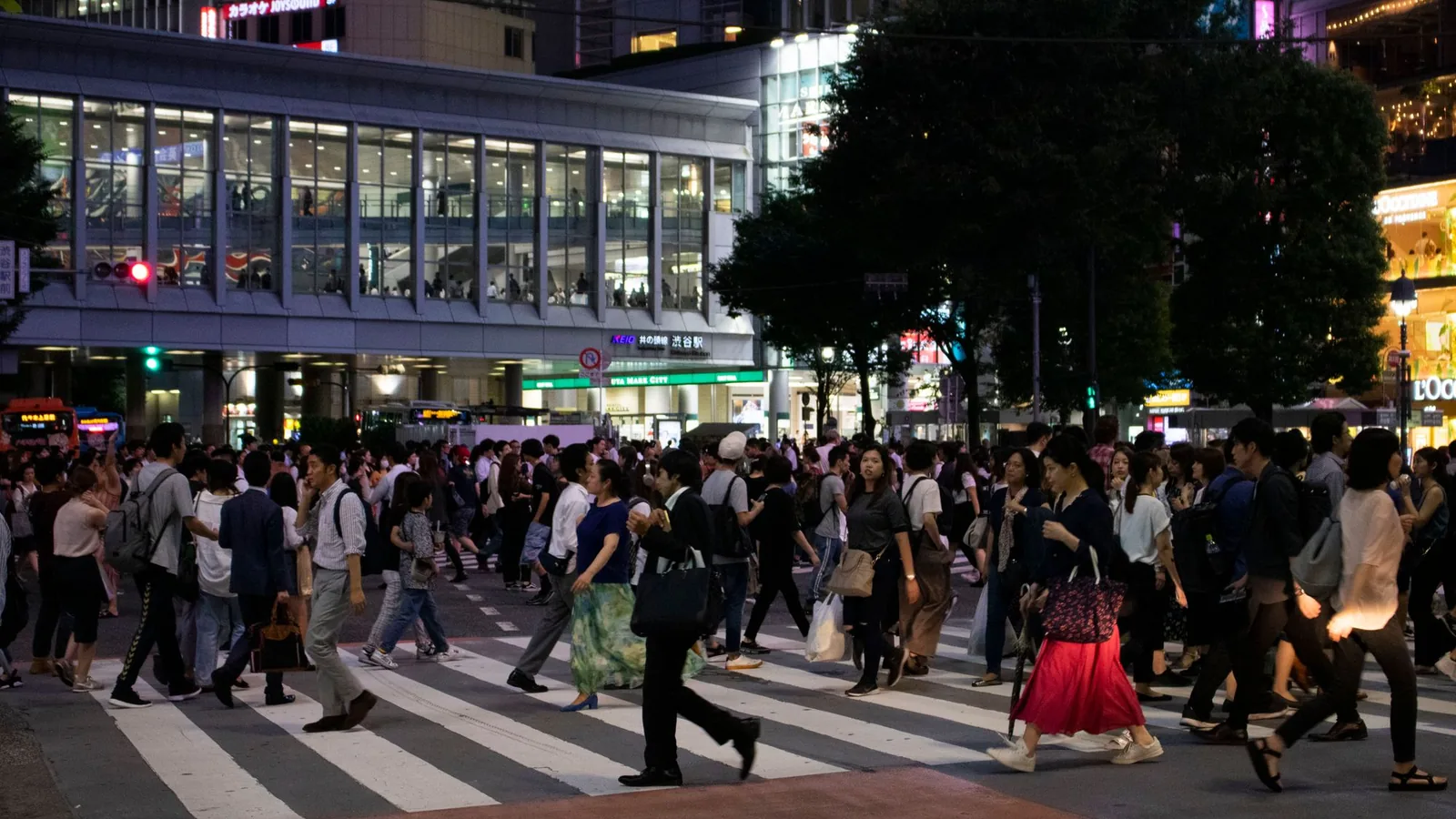
The neon of Shibuya Crossing does not fade when the last commuter train pulls out. The energy just shifts — from the frantic daytime rush to a more intimate, pulsing rhythm that defines one of Tokyo's liveliest wards. After dark the district becomes a maze of hidden bars, rooftop lounges and 24-hour eateries for locals and visitors chasing a real night out. Reading it takes more than a map: you need a feel for the flow, for which pockets come alive after midnight, and for the food that keeps the night owls going. This guide breaks down the essentials of Shibuya's nightlife with concrete picks for bars, views and eats grounded in how the district actually works. If your night runs long, keep our last train guide handy.
The Architecture of Shibuya's Night Zones
Shibuya is not one place but a cluster of micro-districts, each with its own character and volume. Knowing them is the key to planning an evening. The blocks right around the scramble crossing are dominated by big commercial venues and chains — easy and safe, but short on the charm you find a few streets over. To reach the real pulse of Shibuya, step away from the main drags.
- Center-Gai is high-energy izakayas and karaoke boxes — good for groups after loud music and a busy crowd.
- Koen-dori (Park Street) runs more upscale, with cocktail bars and jazz clubs pulling a slightly older, more relaxed crowd.
- Nonbei Yokocho — "Drunkard's Alley" by the tracks near the station — is a lane of tiny, one-room bars that reward a bit of nerve to walk into.
- The streets around Shibuya 109 host trendy, fast-changing bars aimed at a younger, fashion-forward crowd.
These streets are built for wandering. Many bars carry no visible sign, relying instead on a quiet marker — a particular door, a small light box tucked in an alley. That is deliberate, and it creates a sense of discovery; the effort of finding a place is part of the night. Worth knowing: many of the smaller spots close early, often by 11:00 PM or midnight, so timing matters. For a genuinely late scene, aim for the bigger zones or the 24-hour venues dotted around the ward.
Hidden Bars and Craft Cocktails
Shibuya's bar scene is known for range, from polished cocktail lounges to counter-only rooms with a handful of seats. The standard is consistently high — a reflection of how competitive Tokyo hospitality is — and many bartenders here work in classic mixology, building each drink with real care. Prices swing with location and reputation: a standard cocktail in a central izakaya runs around 1,200 JPY, while a craft cocktail in a specialist bar sits between 1,500 and 2,500 JPY.
In many of the smaller bars the bartender is the main event, chatting with guests and walking them through the ingredients and technique behind each drink. That personal touch makes for a night you remember rather than just a round of drinks. If you want somewhere calmer, Shibuya has plenty of jazz and wine bars for unwinding after a long day.
Note that many Shibuya bars do not take cards — cash is king, so carry enough yen. Some also levy a small cover charge (often with a snack or a drink), a normal Tokyo practice. Follow the house rules, which can include limits on photography or loud talk; these rooms are intimate, and keeping that mood is a priority for staff and regulars alike.
Rooftop Views and Skyline Perspectives
Shibuya holds some of Tokyo's best views, especially from its rooftop bars and observation decks with the scramble crossing far below. The Shibuya Sky deck atop Shibuya Scramble Square is the prime example, with a 360-degree view over the city. It is tourist-heavy, but the experience earns it — buy tickets online in advance to skip the worst of the queues, especially at peak hours. For a closer look at that view, see our Shibuya Sky at midnight guide.
For something more relaxed, several rooftop bars pair drinks with the skyline. They cost more than street-level spots, with drinks from around 1,800 JPY, but many find the view worth it. The Shibuya Stream and Shibuya Scramble Square complexes hold a few, popular with locals and visitors and lively well into the early hours.
Weather makes or breaks a rooftop night. On clear evenings the visibility is superb, sometimes as far as Mount Fuji; on cloudy or wet nights the view closes in, so check the forecast first. Some rooftop bars also keep a dress code — smart casual is the safe call, and very casual wear like flip-flops or sportswear may be turned away.
Late-Night Eats: Beyond Sushi and Ramen
Shibuya's food runs well into the night, and it goes far past sushi and ramen. Yakitori — grilled chicken skewers — is a nightlife staple, and many shops stay open late; they are usually small, counter-seated rooms where you watch the cook work the grill.
Tonkatsu, the breaded, fried pork cutlet, is another solid pick, with reliable chains around Shibuya turning out consistent plates for around 1,000 to 1,500 JPY. For something lighter, the conbini (convenience stores) are open 24 hours with a big range of ready-to-eat food for a quick, cheap fill-up. Late-night ramen fans can also cross town for our 4am ramen in Shinjuku.
It is also worth wandering the blocks by Shibuya Station's east side, where several 24-hour restaurants feed night-shift workers and late revellers with everything from Japanese to Western dishes. The food is generally good and fairly priced, though some places thin their menus in the small hours, so check online or call ahead if you have your heart set on something.
Practical Tips for Navigating Shibuya at Night
Getting around Shibuya at night takes a little preparation. The district is well lit and generally safe, but the basics still apply: keep valuables secure and stay aware in the busiest crowds. The subway is the easy way home, with last trains running until around midnight. After that, taxis are the main option but add up — a short hop from Shibuya to Shinjuku runs roughly 2,000 to 3,000 JPY.
Be mindful of noise near residential blocks; Shibuya is commercial, but people live close by, and keeping your voice down is appreciated. Smoking rules are strict too — permitted in many designated outdoor spots but banned indoors — so watch for signs and follow them.
If you do not know the area, a navigation app helps; Google Maps works well across Japan. Keep your phone charged — a small battery pack is worth carrying, since a dead phone is the quickest way to a bad night. Above all, take your time: Shibuya's nightlife is broad and varied, so wander, try something new, and let the district set the pace. For the loud, neon-lit contrast across town, see our Kabukicho after dark guide.
Frequently Asked Questions
What time do bars in Shibuya typically close?
Most Shibuya bars close between 11:00 PM and 1:00 AM, with some open until 2:00 AM. A number of 24-hour spots, especially near the station, cater to the late crowd, so check the specific venue's hours in advance.
Is it safe to walk around Shibuya at night?
Yes. Shibuya is considered very safe even late at night — well lit, busy and with a visible police presence. As in any major city, stay aware of your surroundings and keep your valuables secure.
Do I need to make reservations for rooftop bars?
For popular rooftop bars, reservations are strongly recommended, especially at weekends and in peak season. Many fill fast, and walk-ins can face long waits or be turned away. Booking online secures a spot and often lets you pick a seating area.
What is the best way to get back to my hotel after a night out in Shibuya?
Within subway hours, the train is the most efficient and affordable choice. After midnight, taxis are the main alternative — convenient but pricey, so weigh the distance first. Some hotels also run late-night shuttles, so it is worth asking your accommodation.
The Bottom Line
Shibuya after dark blends energy, culture and seriously good food. From tiny bars hidden down narrow lanes to the skyline from a rooftop lounge, the district has something for every kind of traveller. Learn the layout, respect the local rhythm and plan ahead, and you can get the most from the night. Carry cash, check closing times, and lean into the buzz that defines Shibuya once the sun is down. One last habit: save your hotel's details and a reliable taxi number in your phone — Shibuya is safe, but a direct line home is peace of mind if the late-night transit gets confusing.
Sources and further reading: Go Tokyo (official tourism) and SHIBUYA SKY (observation deck atop Shibuya Scramble Square).